
Planning two weeks in Cambodia sounds exciting, but figuring out where to go can get confusing fast.
I’ve been there.
In this guide, I’ll walk you through a complete 14-day Cambodia itinerary, from the ancient temples of Siem Reap to the beaches of Koh Rong.
You’ll get day-by-day plans, hotel tips, transport info, and budget breakdowns.
Everything is laid out simply. No fluff, no complicated planning. Just a clear, practical route that actually works for first-time visitors ready to see the best of Cambodia.
Let’s get into it.
Trip Overview
This Cambodia 2 week itinerary flows from north to south, so you’re never backtracking or wasting time on the road.
You start in Siem Reap, where ancient Khmer temples sit just outside the city.
Then you move to Phnom Penh, Cambodia’s capital, packed with history and culture. After that, Kampot gives you a slow, peaceful riverside break.
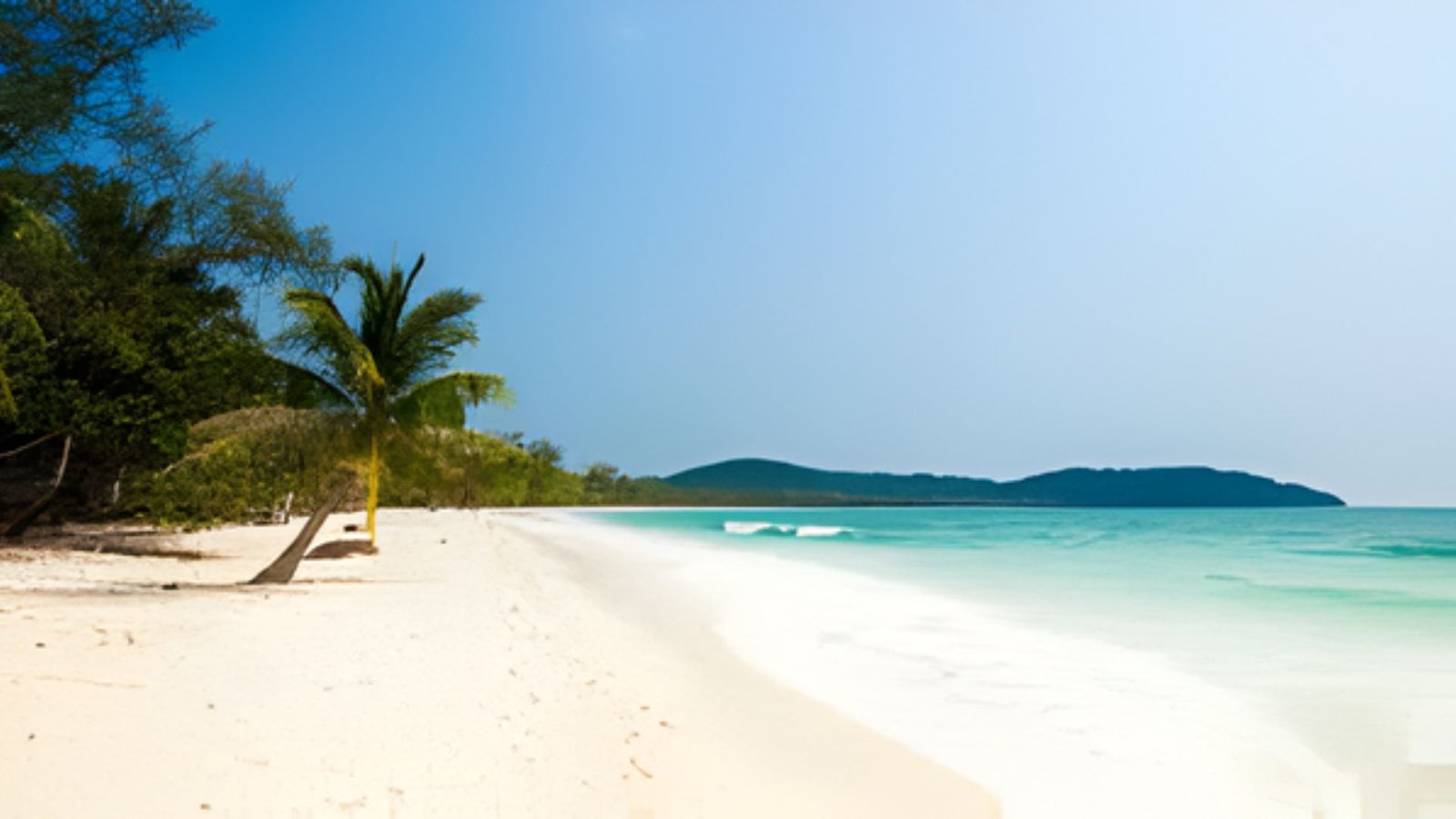
You finish on Koh Rong island, where the beaches are white and the water is clear. The best time to go is November to April, when the weather is dry and travel is comfortable.
I’ve included hotel picks, transport options, and practical tips to make every part of this trip smooth. This route is simple, logical, and easy to follow.
Trip Highlights
- Days 1–4: Siem Reap temples, local markets, and cultural spots Days
- 5–6: Angkor Wat sunrise, Bayon, and Ta Prohm jungle temples
- Days 7–8: Slow days in Siem Reap with cafés, spas, and Tonlé Sap Lake
- Days 9–10: Phnom Penh Royal Palace, Killing Fields, and riverside life
- Days 11–12: Kampot riverside town, pepper farms, and Kep crab market
- Days 13–14: Koh Rong island beaches, snorkeling, and sunset relaxation
Cambodia 2 Week Itinerary (Detailed Plan)
Here's your complete day-by-day breakdown.
You land in Siem Reap and the city hits you right away. Check into your hotel near Pub Street or the Old Market.
These spots put you close to everything. Once you're settled, head out for an evening walk.
The night market near the Old Market is a great first stop. Try some Cambodian street food.
Lok lak, fried rice, and fresh spring rolls are all worth it. Keep the evening light. You have a big two weeks ahead.
Start your morning at the Angkor National Museum. It gives you the full story of Khmer history before you see the temples up close.
Spent a couple of hours there. Then head out to check out local cafés and the riverside area.
Siem Reap has a great café scene. In the evening, Pub Street comes alive with open-air restaurants and food stalls.
Grab dinner and walk around after. It's a relaxed, easy day. One that sets you up well for everything coming next on this trip.
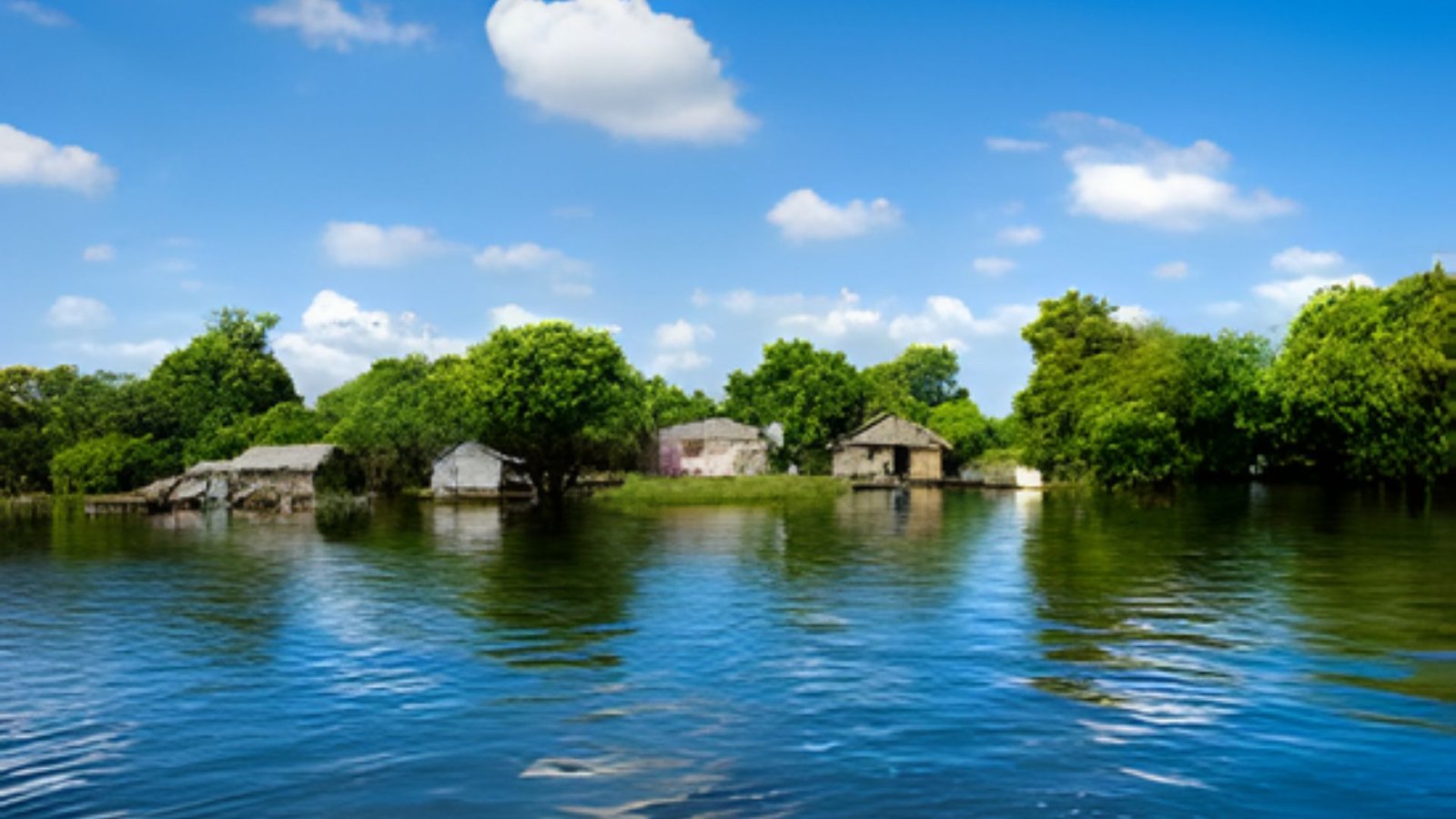
Tonlé Sap Lake is one of Southeast Asia's largest freshwater lakes. A half-day trip from Siem Reap gets you there in about 30 minutes.
You'll take a boat through the floating villages and see how local communities live on water year-round. It's a perspective shift.
Back in Siem Reap by early afternoon, you'll have time to rest or walk through the local markets.
I'd recommend an early dinner and an early night. Day 5 starts very early with the Angkor Wat sunrise and you'll want to be rested.
This is your free day. Use it the way you want. If you've been moving fast, slow down.
Book a massage or spend a few hours at a café with good coffee. The night markets here are worth another visit if you still want to shop.
If you'd rather stay active, a cooking class or a countryside bike tour are both solid options. Either way, keep today easy.
You're heading into a few big temple days starting tomorrow and you'll want the energy for it.
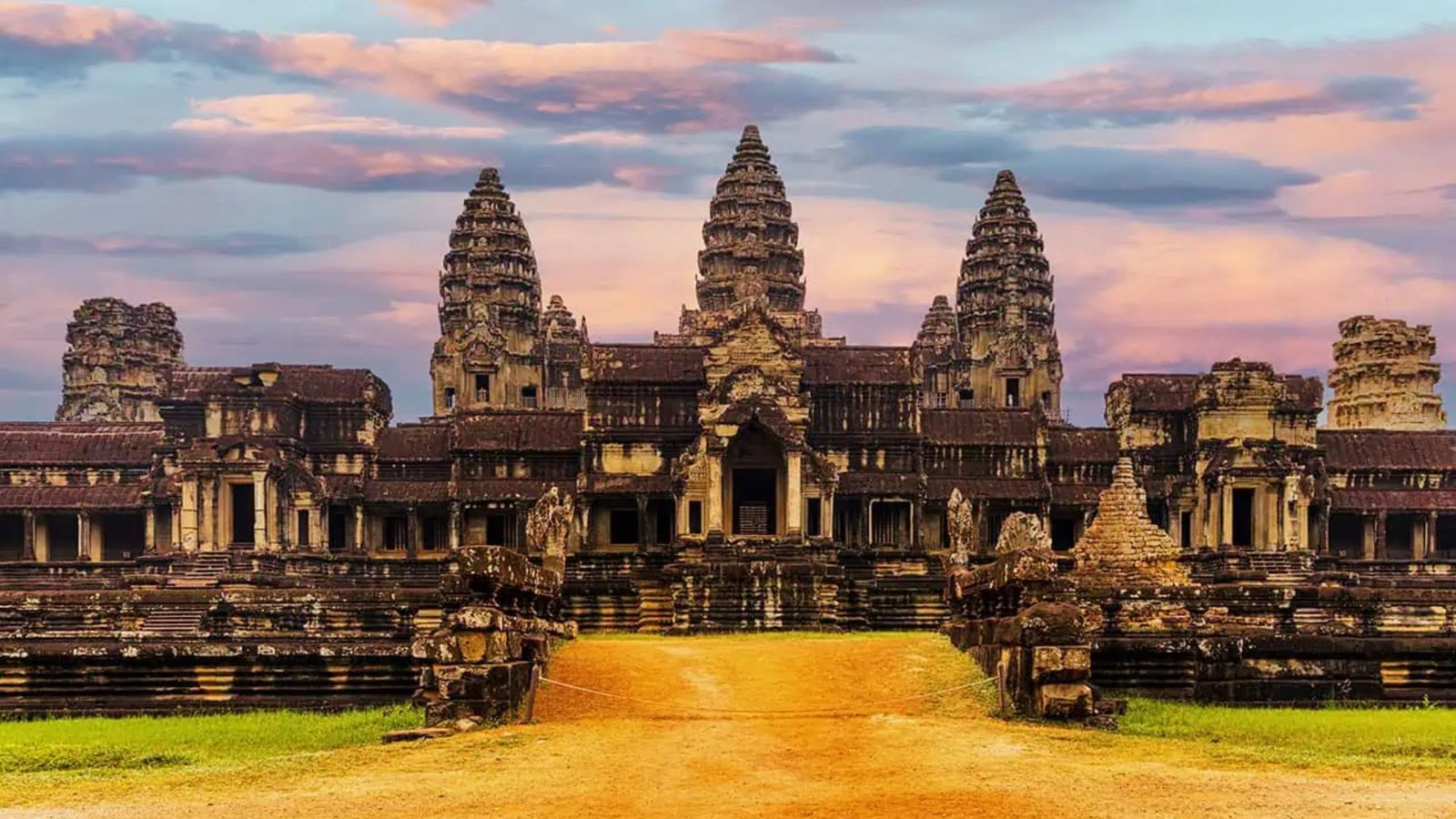
Set your alarm early. The Angkor Wat sunrise is one of those things you won't forget.
Get there before 5:30 AM to find a good spot near the reflection pond. Watch the sky change color over the temple towers.
It's worth every minute of lost sleep. Once the sun is up, walk through the main complex. The bas-reliefs, galleries, and towers take a few hours to see properly. Don't rush it.
Stay: A hotel close to the Angkor Archaeological Park makes these early mornings much easier to manage.
Bayon Temple is unlike anything else in the park. Giant stone faces carved into every tower look out in all directions.
It's quiet in the early morning. After Bayon, head to Ta Prohm. This is the jungle temple where tree roots have grown over and through the stone walls over centuries.
The mix of nature and ancient architecture is something I still think about.
These two temples are the highlights of the whole trip for a lot of people. Give yourself plenty of time at both.
Today you go deeper into the Angkor Thom complex. There are smaller temples here that most visitors skip.
Preah Khan and Neak Pean are both worth a look. They're less crowded, which makes the experience better.
By the afternoon, take it easy. Find a café in Siem Reap, rest your feet, and enjoy your last evening in this city.
If you haven't tried Khmer fish amok yet, tonight is the night. It's a coconut-based curry served in a banana leaf. Simple and genuinely good.
Time to move on to Phnom Penh. You can take a bus, which takes about 5 to 6 hours, or fly, which takes 45 minutes.
The bus is cheaper and comfortable enough. Book in advance. When you arrive in Phnom Penh, check into a hotel near the Riverside or BKK1 area.
Both are well-connected and easy to get around from. In the evening, walk along the riverfront promenade.
It's a nice way to get a feel for the city before you start seeing its history properly.
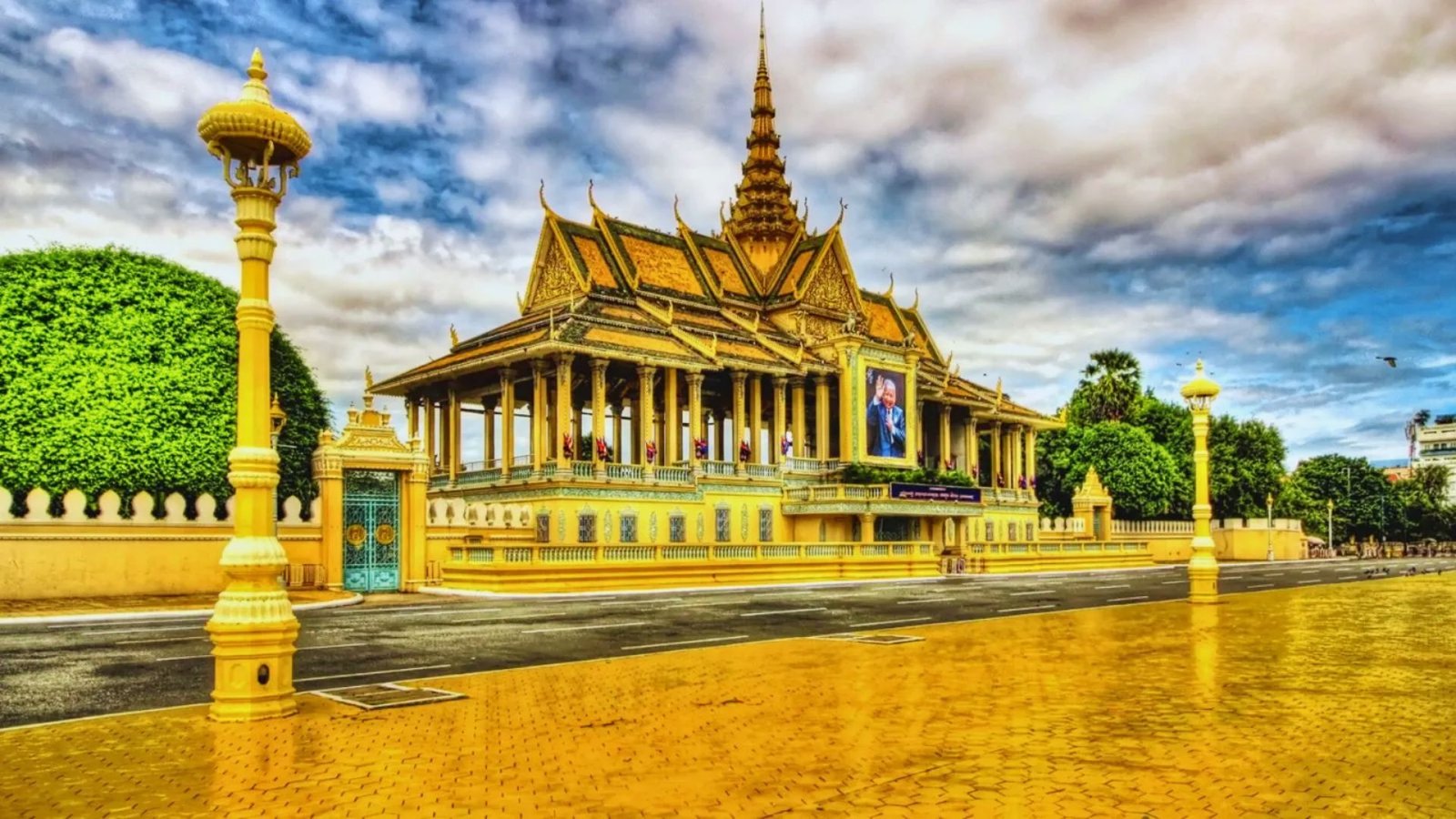
Start at the Royal Palace. It's open to the public and the grounds are well-kept and impressive.
The Silver Pagoda inside the complex is worth seeing too. After that, walk through the city center.
Phnom Penh has good street food and busy local markets. The Central Market, known as Phsar Thmei, is a great spot for lunch and a look around.
By evening, the riverside area fills up with locals and travelers. Find a café with a river view and end the day there.
This is a heavy day. The Tuol Sleng Genocide Museum and the Killing Fields are both must-visits, but be prepared.
These places document the Khmer Rouge regime and what happened to thousands of Cambodians in the 1970s.
It's a lot to take in. Go in the morning when you have energy. Take your time and read the information carefully.
Give yourself space afterward. In the evening, sit along the riverside and have a quiet dinner. This is a day that stays with you long after you leave.
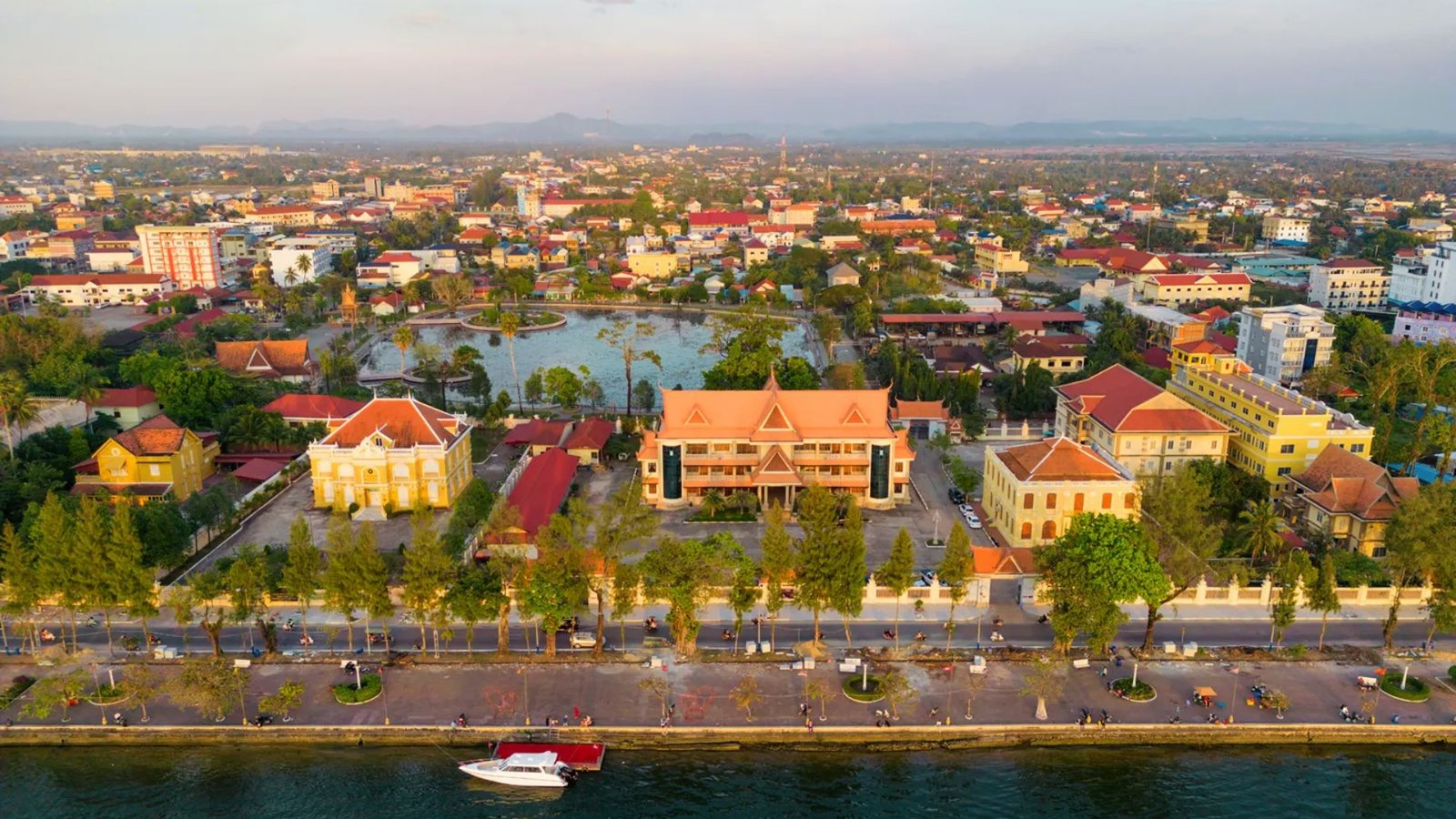
Kampot is about 3 hours south of Phnom Penh by bus or shared taxi. When you arrive, the pace slows down immediately.
This small riverside town runs on its own time. Check into a boutique riverside hotel, the kind with a hammock near the water, and let yourself settle in.
Kampot is known for its pepper, its French colonial buildings, and its calm atmosphere.
Spend your first evening walking the riverside road, grabbing dinner at a local spot, and just breathing. No plans needed tonight.
In the morning, visit a pepper plantation. Kampot pepper is some of the best in the world and the farms are open to visitors.
After that, take a day trip to Kep, just 25 minutes away. The Kep Crab Market is the main stop.
Fresh crab cooked with Kampot pepper is the local specialty and it's worth every cent.
In the afternoon, Bokor National Park is worth a stop for views from the old hilltop town. Get back to Kampot before sunset for a riverside drink.
Take the ferry to Koh Rong. The crossing takes about 45 minutes to an hour from Sihanoukville, which is a short ride from Kampot.
Book your ferry ticket in advance, especially during peak season. When you arrive at Koh Rong, the water is a shade of blue that doesn't look real.
Check into a beach bungalow and spend the rest of the day doing nothing in particular.
Swim, walk the beach, or just sit in the shade. After two weeks of temples and cities, this is exactly what you need.
Your last morning on Koh Rong. Wake up early and get one more swim in. The water in the morning is calm and clear.
Walk the beach before the day heats up. If you have a late ferry, grab breakfast at a beach café and take your time.
The sunset here, if your schedule allows, is one of the best ways to close out this trip.
Head back to the mainland in the afternoon and make your way to the airport for your departure flight.
Inclusions/Exclusions
Trip Inclusions
- Handpicked hotels at every stop along the route
- Airport transfers on arrival and departure days
- Intercity transport support between all destinations
- Guided temple visit planning and entry support in Siem Reap
- Travel assistance throughout your full 14-day trip
Trip Exclusions
- International flights to and from Cambodia
- Visa fees and any government travel documentation
- Personal expenses like shopping, drinks, and tips
- Optional tours and extra activities outside the itinerary
- Travel insurance, which I strongly recommend purchasing before you go
Frequently Asked Questions
Yes, two weeks is enough to cover temples, cities, and beaches comfortably without feeling rushed.
Yes, most travelers need an e-visa, which you can apply for online before arrival.
Siem Reap is best for culture and temples. Koh Rong is the top pick for beaches.
No. Cambodia is very budget-friendly compared to most travel destinations in the region.