
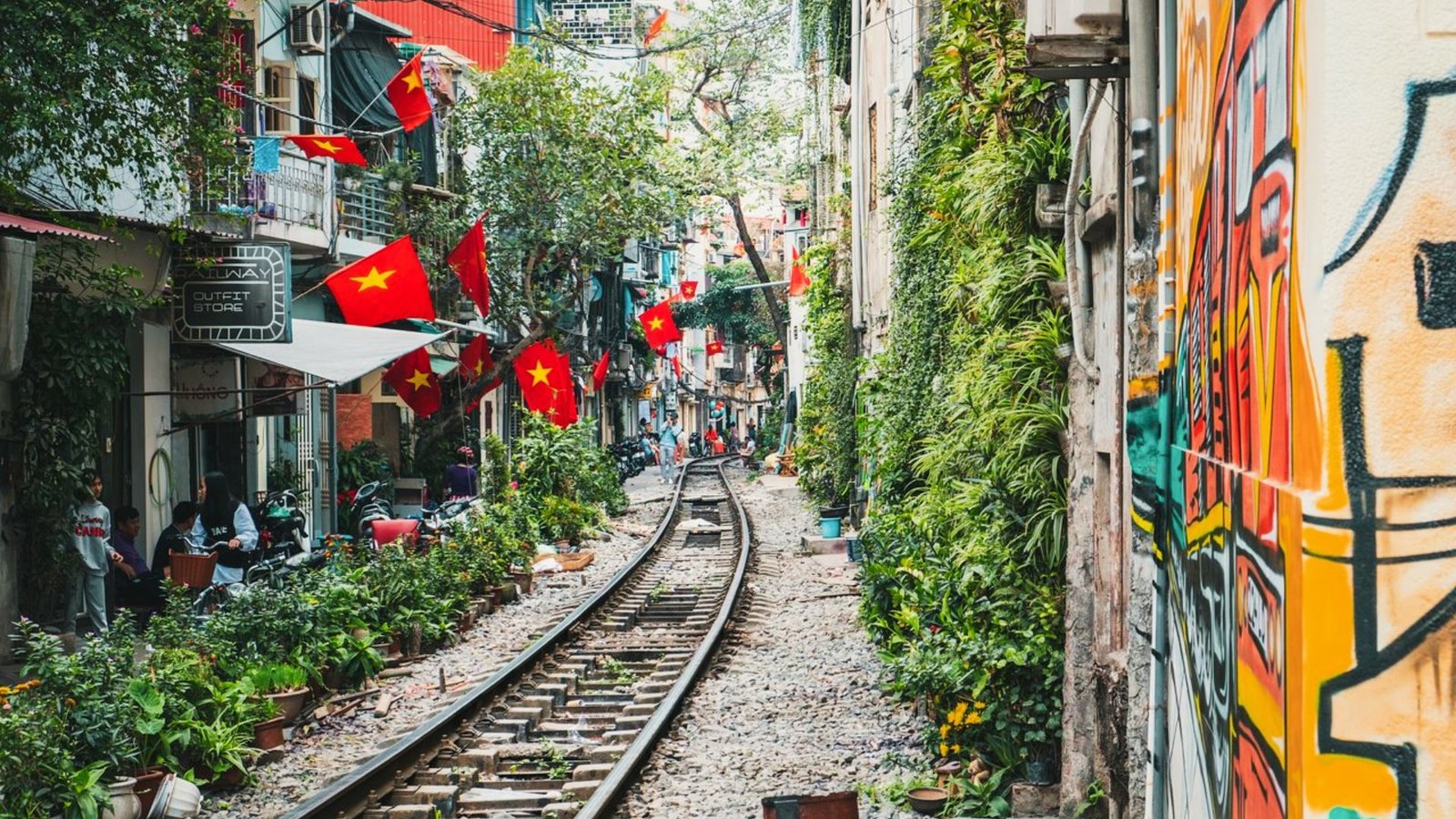
Planning a two-week trip across Vietnam and Cambodia felt impossible to me at first.
Too many cities, too many decisions, too many things that could go wrong. Then I mapped it all out, and everything clicked.
This guide is exactly that map. I cover a full day-by-day itinerary, where to stay, how to get around, and what to budget.
I also answer the questions most people are too afraid to ask before booking. By the end, you won’t just feel ready.
You’ll be wondering why you didn’t plan this sooner.
Trip Overview
This Vietnam Cambodia itinerary 14 days is built to flow without confusion. You start in Hanoi, where the streets are loud, the food is incredible, and history is everywhere.
Then you head to Ha Long Bay for two days on the water. After that, Da Nang and Hoi An give you beaches and old-town charm.
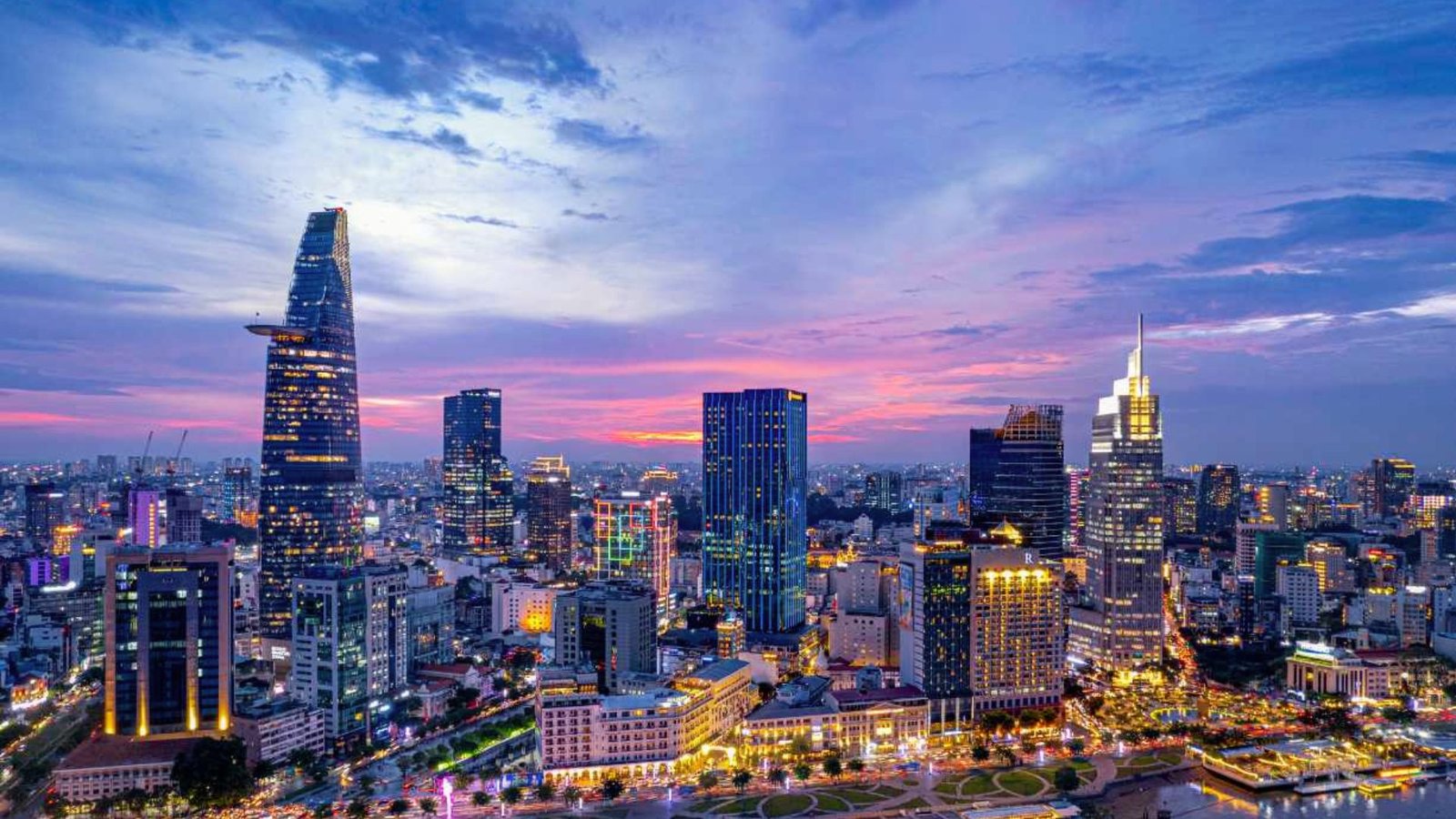
Ho Chi Minh City comes next, full of energy, war history, and good nightlife. From there, you fly into Cambodia.
Siem Reap takes your breath away with ancient temples. Phnom Penh wraps the trip with culture and reflection.
This route moves south the whole way, so there’s no backtracking and no wasted days.
Trip Highlights
- Days 1–2: See Hanoi's Old Quarter, Hoan Kiem Lake, street food culture, and night markets. The city is chaotic but deeply charming.
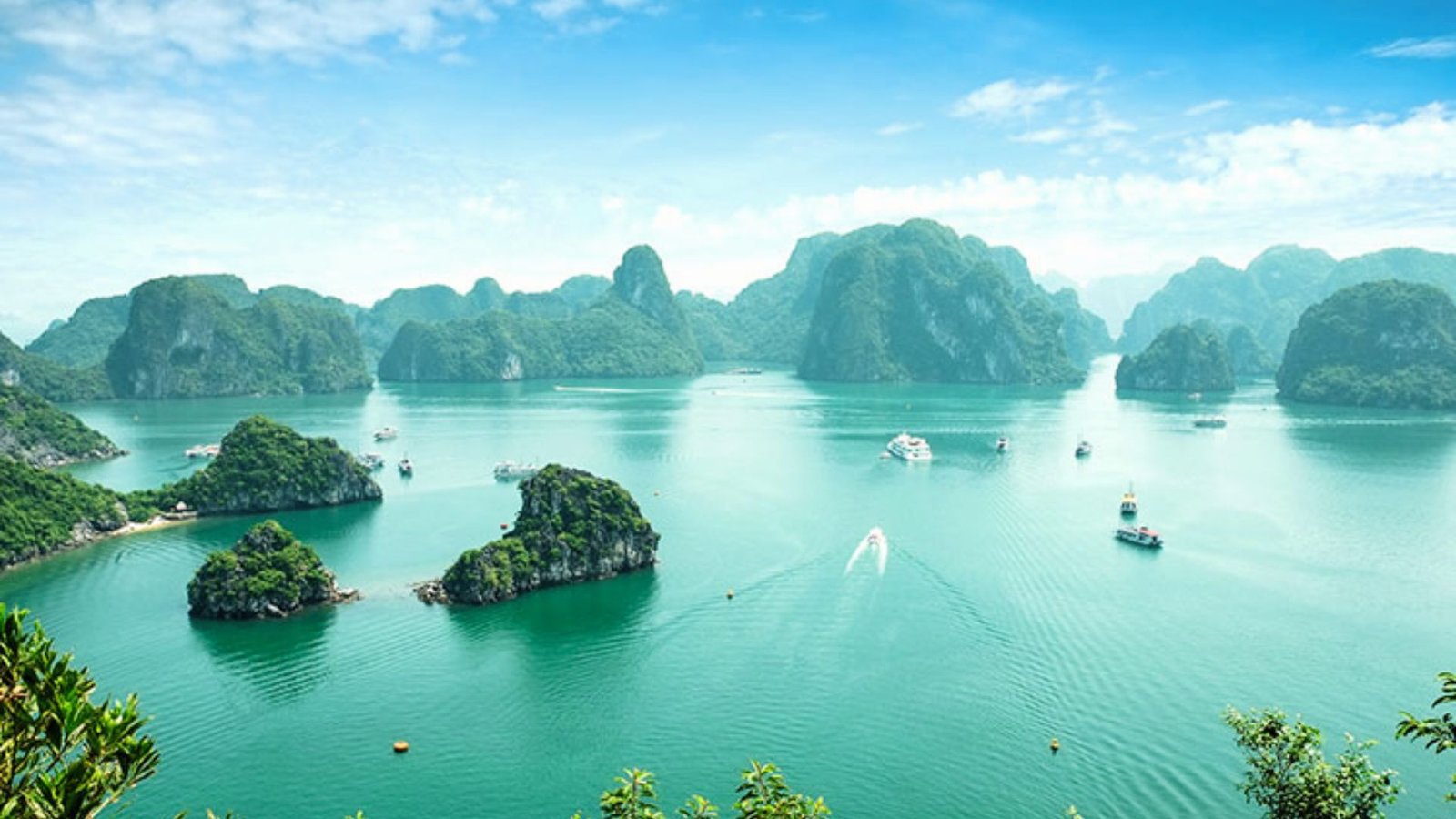
- Days 3–4: Cruise through Ha Long Bay with limestone cliffs, caves, kayaking, and sunset views over emerald waters.
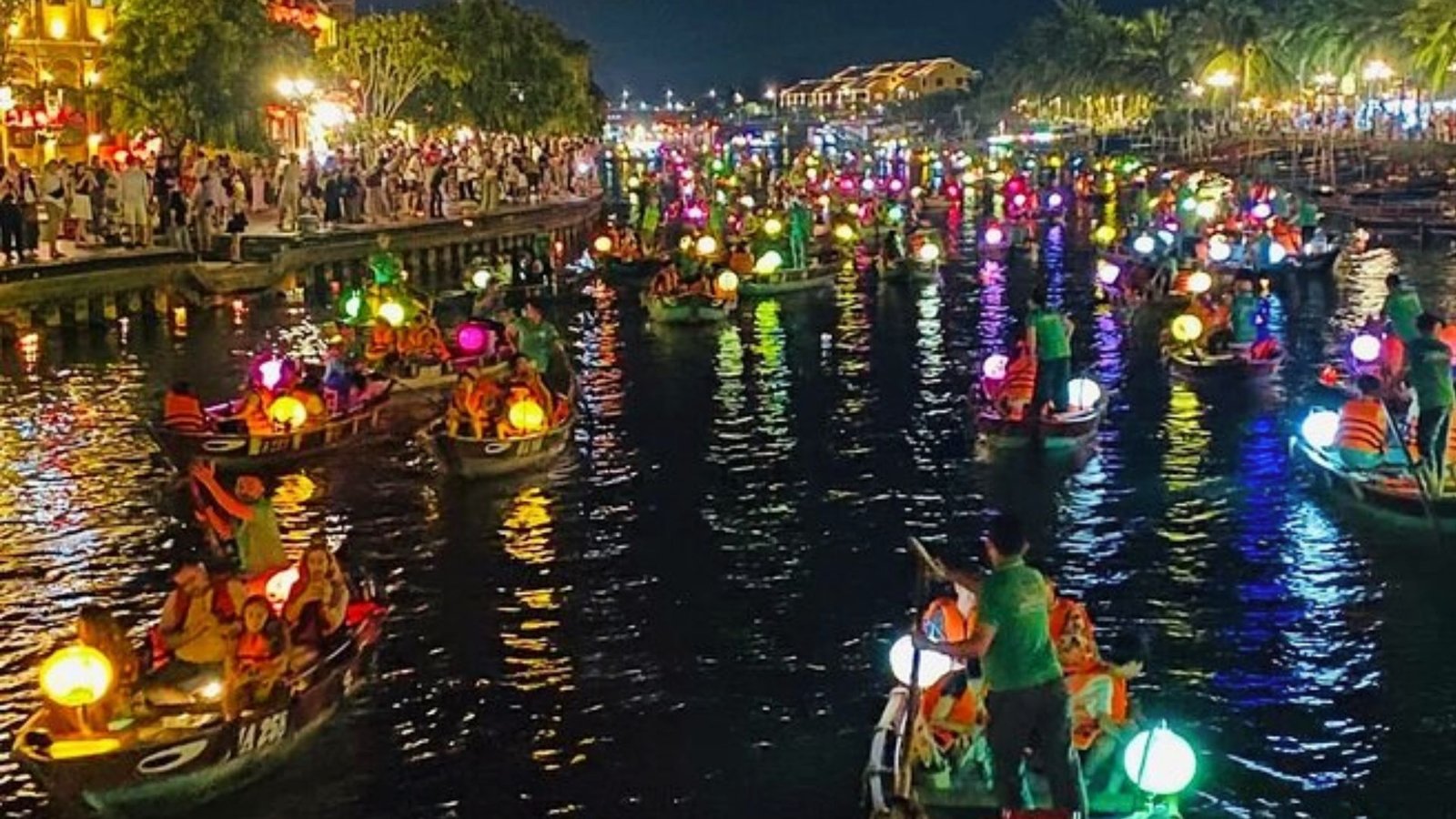
- Days 5–6: Visit Da Nang beaches, Marble Mountains, and the magical lantern streets of Hoi An Ancient Town.
- Days 7–8: Take Ho Chi Minh City, War Remnants Museum, Cu Chi Tunnels, and rooftop nightlife.
- Day 9: Fly to Cambodia and arrive in Siem Reap for a relaxed evening and local markets.
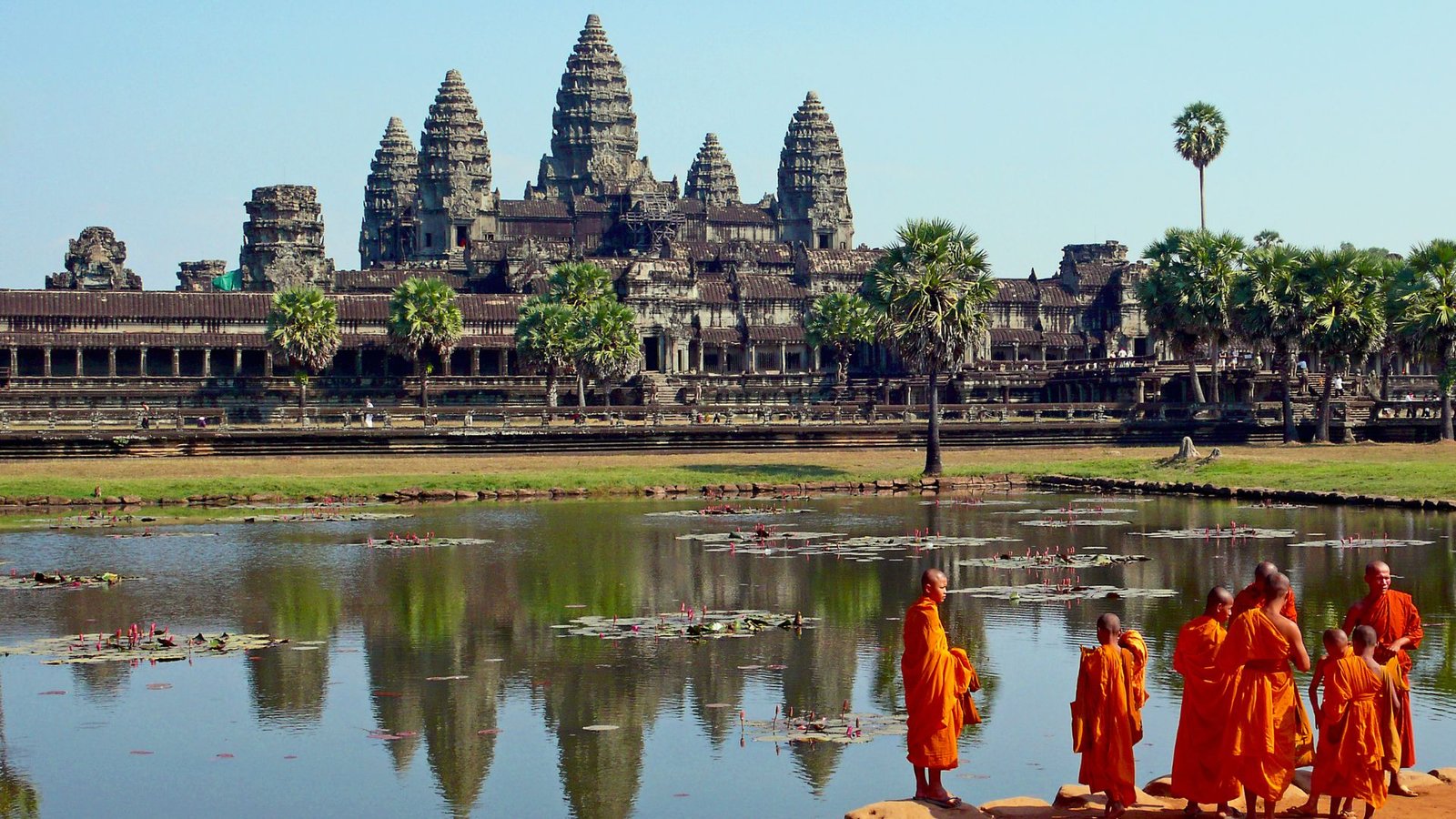
- Days 10–11: Visit Angkor Wat, Bayon Temple, Ta Prohm, and sunrise views over ancient ruins.
- Days 12–13: Travel to Phnom Penh for the Royal Palace, Killing Fields, and riverside experiences.
- Day 14: Final shopping, café time, and departure.
Day-by-Day Itinerary
Here is your complete 14-day plan, step by step.
You land in Hanoi and the city hits you immediately. The noise, the scooters, the smells, it's a lot, but in the best way.
After you check in, keep the evening light. Walk into the Old Quarter and just take it in.
The streets are narrow and packed. Street food stalls are everywhere. Grab a bowl of pho or banh mi from a local vendor.
Then walk around Hoan Kiem Lake at night. It's calm, well-lit, and a great way to settle in.
Stay at a boutique hotel near the Old Quarter for easy access to everything.
Start your morning at the Ho Chi Minh Mausoleum. It's a serious, respectful visit, so dress modestly and arrive early to avoid crowds.
From there, head to the Temple of Literature, one of Vietnam's oldest universities.
The courtyards are calm and worth spending time in. After lunch, wander through local markets and find one of the many hidden cafés tucked into small alleys.
In the evening, catch a water puppet show, a traditional Vietnamese art form and genuinely interesting to watch.
End the night with more street food in the Old Quarter. Simple, full day.
This morning you leave Hanoi by road. The drive to Ha Long Bay takes around 2.5 to 3 hours.
Once you arrive at the dock, you board your cruise and the scenery changes completely. Limestone islands rise out of calm green water in every direction.
The first afternoon is for kayaking and cave visits. The caves are large, well-lit, and genuinely impressive.
Dinner is served on the boat as the sun goes down. Spending the night on the water with no city noise, no traffic, just the bay and the stars, is one of the best parts of this trip.
Wake up early. Sunrise over Ha Long Bay is something you'll want to see.
Have a slow breakfast on deck while the morning light hits the water. Most cruises include a final cave or island stop before turning back.
You'll be back at the dock by early afternoon. The drive back to Hanoi takes a few hours. By evening, you're back in the city.
Use the rest of the night to relax, grab dinner, or do any last-minute shopping before your flight the next day.
Don't overplan this evening, you'll need the rest.
Your morning flight takes you south to Da Nang. It's a short flight, under two hours.
Once you land, drop your bags and head straight to My Khe Beach. The water is clear, the sand is clean, and the pace is completely different from Hanoi.
Spend the afternoon just relaxing by the water. In the evening, head to Dragon Bridge. If it's a weekend, you can catch the fire and water show at night, it's worth staying up for.
Da Nang is an easy city to like. Stay near the beach for the best experience here.
Today you take a short trip from Da Nang to Hoi An. It's about 30 minutes by car.
The Ancient Town is a UNESCO World Heritage site, and it earns that title. Walk through the lantern-lit streets, visit old merchant houses, and take a slow boat ride on the Thu Bon River.
In the afternoon, you can get clothes made at one of the many tailors, Hoi An is famous for it.
As evening comes, the whole town glows with hanging lanterns. Have dinner here and try Cao Lau, a noodle dish you can only find in Hoi An.
Morning flight from Da Nang to Ho Chi Minh City. You land in the south and feel the shift immediately.
This city moves fast. After checking in, start at Ben Thanh Market for a look at local goods, street food, and the general energy of the place.
Spending the afternoon walking through the city center, the Notre-Dame Cathedral and the Central Post Office are worth a stop.
In the evening, take the lift up to a rooftop bar and watch the city light up below you. Ho Chi Minh City has one of the best nightlife scenes in Southeast Asia.
This day goes deep into Vietnam's war history. Start at the War Remnants Museum. It's not easy to visit, but it's important.
The exhibits are honest and well-organized. After lunch, head out to the Cu Chi Tunnels, a massive underground network used during the war.
You can crawl through sections of the tunnels yourself. It's a powerful experience.
Back in the city, take the evening at your own pace. Some people do a Saigon River cruise.
Others go café hopping. Either way, Day 8 is one of the most meaningful days of the whole trip.
Today you cross into Cambodia. The flight from Ho Chi Minh City to Siem Reap takes about an hour.
Once you land, the pace changes. Siem Reap is quieter, greener, and has a different kind of energy.
Check in and spend the evening exploring the night markets. Try Cambodian food, fish amok and lok lak are good starting points.
Pick up a few local snacks. Get to bed early. Tomorrow is a big day at Angkor Wat, and you'll want to be up before sunrise. Don't stay out late tonight.
Set your alarm for 4:30 AM. Watching the sun rise behind Angkor Wat, reflected in the front pools, is one of those moments that stays with you.
After sunrise, spend the morning inside the main temple complex. Then move to Bayon Temple with its rows of giant stone faces staring in every direction.
In the afternoon, visit Ta Prohm, the temple where massive tree roots have grown through the walls and over the stones.
It looks exactly like you'd imagine ancient ruins should. This is the most memorable day of the entire trip.Give it the time it deserves.
You've seen the big ones. Today is for going deeper. Walk through the Angkor Thom complex, including the Terrace of the Elephants and the Terrace of the Leper King.
There are also smaller, less crowded temples nearby that are worth visiting.
By early afternoon, head back to Siem Reap and slow down. Book a traditional Khmer massage or just sit at a café and do nothing for a few hours.
You've covered a lot of ground. The evening is free, grab a good dinner on Pub Street or walk through the riverside area at your own pace.
Today you travel from Siem Reap to Phnom Penh. You can go by bus, around 6 hours, or fly, for about 45 minutes.
Once you arrive, check in and take it slow. The city has a different feel from Siem Reap.
It's larger, more urban, and sits where two rivers meet. Spend the afternoon walking along the riverside promenade.
There are plenty of cafés and local spots to settle into. Have a calm dinner and get ready for a heavy day tomorrow.
Phnom Penh's history is important and emotional, you'll want to be well-rested for it.
Start at the Royal Palace and Silver Pagoda in the morning. The grounds are large and well-kept.
The Silver Pagoda has an impressive collection of religious artifacts. After lunch, visit the Killing Fields at Choeung Ek and the Tuol Sleng Genocide Museum.
These sites document the Khmer Rouge period in Cambodia. They are heavy, sobering, and necessary to see.
Take your time there. In the evening, walk along the Mekong River at sunset. End the day with a quiet dinner.
It's a powerful day, give yourself space to process it before your final day.
Your last morning. No big plans, just time. If you haven't picked up gifts yet, this is it.
Siem Reap and Phnom Penh both have good local markets.
Grab a coffee, sit somewhere nice, and let the trip settle in your mind. Check your flight time and plan your transfer to the airport accordingly.
Cambodia has two main international airports: Phnom Penh International Airport for most departures.
Give yourself at least 2 to 3 hours before your flight. And that's it. Fourteen days across two countries, done right.
Included/Excludes
Trip Inclusions
- Handpicked hotels across Vietnam and Cambodia, comfortable, well-located, and vetted.
- Daily breakfast included at every stay throughout the 14 days.
- Private transfers and intercity travel support so you move between cities smoothly.
- Flight guidance between Vietnam and Cambodia to keep your connections simple.
- Temple and attraction entry guidance so you know exactly what to book and when.
Trip Excludes
- International flights to and from your home country are not included.
- Visa fees for both Vietnam and Cambodia are handled separately by you.
- Travel insurance is not included, but I strongly recommend getting it.
- Personal expenses like shopping, tips, and meals outside the plan are on you.
- Optional activities like cruises, cultural shows, or spa treatments are add-ons.
Frequently Asked Questions
Yes, two weeks covers the main highlights of both countries at a comfortable pace.
Yes, most travelers need an e-visa for both. Apply online before you travel.
November to April is the best window, dry weather and comfortable temperatures throughout.
Yes, flights are the fastest option, while buses and trains work well for shorter routes.